London’s position at the forefront of aesthetic medicine is no accident. From the heritage and clinical excellence of Harley Street to state-of-the-art surgical suites across the capital, the city blends medical rigor, creative artistry, and outcome-driven innovation. For those researching a hair transplant, choosing London means access to world-class surgeons, meticulous protocols, and a culture of continuous improvement that prioritizes patient safety and natural results. Whether comparing providers for the best hair transplant London can offer or exploring advanced non-surgical adjuncts, the capital’s ecosystem rewards thorough research and long-term planning.
Why Harley Street and London Lead the World in Hair Restoration
Harley Street has long been shorthand for clinical excellence, and that reputation is keenly felt in hair restoration. Clinics in this district and across the city attract international surgeons and discerning patients who expect precision, discretion, and outcomes that stand the test of time. The regulatory environment supports this high bar: facilities are commonly inspected to robust standards, and the most respected providers embrace evidence-based practice, transparent patient communication, and realistic goal setting. This combination delivers a consistent experience that has made London a destination for hair transplant procedures.
Expertise here goes beyond technical skill. Surgeons in leading clinics treat the scalp as a landscape that must age gracefully. Hairline design is tailored to facial proportions, ethnic characteristics, and future hair-loss patterns, not just current photographs. The best teams plan for longevity, preserving donor supply and graft quality while anticipating likely progression of androgenetic alopecia. This philosophy underpins why those seeking the best hair transplant London can provide are advised to vet surgeons not only on before-and-after images but also on their approach to donor management, density planning, and ethical case selection.
Technology also plays a key role. Micro-surgical instrumentation, refined punch systems for follicular unit extraction (FUE), stereoscopic microscopes for graft trimming, and advanced imaging to assess miniaturization all contribute to better outcomes. Yet technology is only as effective as the hands guiding it. In London’s most respected clinics, experienced surgeons lead the critical steps—designing the hairline, creating recipient sites, and setting the aesthetic blueprint—while trained teams assist with graft preparation and placement under strict protocols. The resulting synergy reduces transaction times, protects graft viability, and enhances the soft, feathered look that distinguishes truly natural hair transplant results.
Techniques, Recovery, and Candidacy: What to Know Before Booking
Most London clinics specialize in FUE and FUT, with Direct Hair Implantation (DHI) and adjuncts like Platelet-Rich Plasma (PRP) also on offer. FUE involves harvesting individual follicular units with a micro-punch; it minimizes linear scarring and suits those who prefer shorter hairstyles or who require small, targeted sessions. FUT, or strip surgery, can be advantageous for maximizing graft yield in extensive restorations, provided the patient is comfortable with a linear donor scar that is typically well hidden. A skilled surgeon will explain the pros and cons in the context of donor density, hair caliber, curl, scalp laxity, and long-term goals—key variables in any hair transplant strategy.
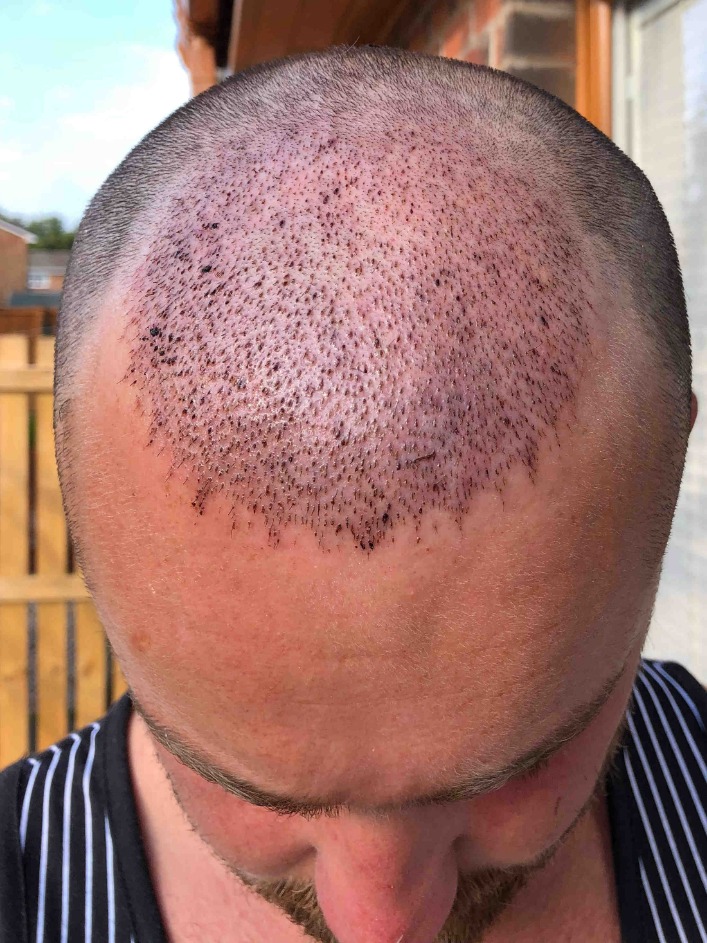
Recovery timelines are predictable but require care. Redness and scabbing usually subside in 7–10 days; shedding of transplanted hairs occurs within the first month; and visible regrowth often starts around month three, with maturation continuing up to 12–18 months. The most trusted providers emphasize aftercare: saline sprays, avoidance of strenuous exercise in the early phase, gentle washing techniques, and sun protection to safeguard the grafts. Many also pair surgery with medical therapy—finasteride, topical minoxidil, or low-level laser therapy—to stabilize native hair and protect the aesthetic balance between transplanted and existing follicles.
Candidacy is broader than many assume. Men with patterned loss, women with diffuse thinning or lowered hairlines, and patients seeking eyebrow or beard reconstruction can all see life-changing results when carefully selected. However, not everyone is a fit. Advanced diffuse miniaturization, active scalp disease, unmanaged expectations, or inadequate donor supply may necessitate alternative strategies such as scalp micropigmentation (SMP) or staged treatment plans. Transparency around these decisions is a hallmark of top-tier care in hair transplant uk settings. Cost considerations matter, but the most cost-effective outcome is the one that looks natural and lasts, with donor resources preserved for future touch-ups if needed.
Real-World Case Studies, Long-Term Planning, and Choosing a London Clinic
Case Study 1: A 33-year-old male with Norwood IV recession sought a conservative hairline restoration. The surgical team recommended 2,200 FUE grafts, prioritizing the frontal third to frame the face while preserving donor reserves. The hairline was designed with micro-irregularity to mimic natural growth, and graft distribution favored singles at the leading edge and doubles/triples behind for density. With medical therapy to stabilize mid-scalp miniaturization, he achieved a balanced, age-appropriate result at 12 months, maintaining the option for a future crown session if needed.
Case Study 2: A 41-year-old female with frontal fibrosing alopecia was initially denied surgery due to active inflammation verified via trichoscopy. After medical management and stabilization, a limited FUE session addressed focal recession, while density was intentionally conservative to reduce risk in scar-prone tissue. This illustrates a key strength of London’s ethical approach: saying “not now” can be the difference between protecting long-term outcomes and risking graft loss.
Case Study 3: A 29-year-old with curly, coarse hair and high donor density pursued temple point refinement and beard augmentation. The surgeon adjusted punch diameter and angles to respect curl geometry, preventing transection and ensuring directional harmony. Post-operative grooming advice, including gradual fades and moisturization for textured hair, helped showcase the transplant’s natural flow.
These examples highlight the decision-making that differentiates excellent outcomes from merely acceptable ones. The checklist for selecting a clinic should include surgeon-led consultations, clear discussion of FUE vs. FUT trade-offs, photographic and video evidence under consistent lighting, and realistic density planning tied to donor math. Look for clinics that provide written aftercare protocols, discuss maintenance therapies, and set expectations around the growth timeline. Independent reviews and long-term patient updates help verify consistency. A well-rounded research process naturally leads many to compare offerings across hair transplant london, Harley Street providers, and other reputable UK centers before committing.
When budgeting, consider the full arc of care. Fees reflect graft counts, surgeon involvement, facility standards, and aftercare support. A bargain that compromises donor management or places excessive density in a single session can cost more in the long run by limiting future options. Conversely, a staged plan may provide superior aesthetics by sequencing the frontal third, mid-scalp, and crown over time while incorporating medical therapy to maximize native hair preservation. This philosophy mirrors the wider ethos of hair transplant uk excellence: look beyond the day of surgery to the decade ahead, and choose a partner who treats the donor area as a non-renewable resource.
Above all, naturalness is the ultimate metric. The most convincing results disappear into daily life: a hairline that respects facial anatomy, grafts that exit at the correct angles, and density that suits hair caliber and styling preferences. With meticulous technique, careful candidate selection, and a plan that anticipates future hair changes, London’s leading clinics continue to set the benchmark—and reward patients who invest in quality with results that look and feel authentically their own.