In home decoration, wooden doors are not all doing the same work. A bedroom door is mostly quiet, private, and opened by hand. A bathroom door deals with moisture and frequent use. A closet door may be opened several times in a row, while a door between a busy hallway and a utility area may need to close behind the person passing through. Before choosing spring, flush, or self-closing hinges, list where the door sits, who uses it, and what should happen when someone lets go. This simple step keeps the decision tied to daily behavior rather than to a catalog photo. That is why hinge choice belongs in the early planning conversation, not the final hardware order.
The hinge range described by CHAOLANG shows why that behavioral view matters. The door-hinge page names hidden door hinges, stainless steel door hinges, lift-off hinges, butterfly hinges, and flag hinges, and its product listings include spring/flush hinges for wooden doors and lift-off rising self-closing concealed flag hinges. These are not interchangeable labels. They point to different ways a door can sit, swing, and return. A Door Hinge Manufacturer that publishes these categories—and states support for custom size, thickness, surface color, and laser logo engraving—can make the specification stage less guess-driven for homeowners and their contractors.
Spring Hinges: Closing Action Without Extra Hardware
Spring hinges are a practical option when a wooden door should not be left standing open. In a residential setting, that might mean a door to a laundry area, a door at the top or bottom of a stair, or any interior door where an open leaf interrupts the flow of the room. The hinge page lists spring/flush hinges for wooden doors, and it also states that UL-listed fire-rated spring hinges are offered for fire-exit self-closing. That last point is worth separating from ordinary residential use: a fire-rated door assembly has its own requirements, and the hinge should be chosen as part of that assembly rather than as a decorative swap.
Spring hinges are not automatically the right choice on every wooden door. A door that needs to stay open while boxes are carried through, or a closet door that is often left ajar for ventilation, may fight a spring-loaded hinge. The better approach is to decide which doors should close themselves and which doors should stay where they are put. The hinge page’s range also includes stainless steel, carbon steel, and zinc alloy materials, with finishes such as matte black, gold, and satin chrome, so the closing mechanism does not have to dictate the visual finish. The homepage notes that hinges feature permanent, factory-lubricated bearings that never need oiling—a useful maintenance point for homeowners who do not want to add hinge lubrication to a chore list.
Flush and Concealed Hinge Options for Clean Sightlines
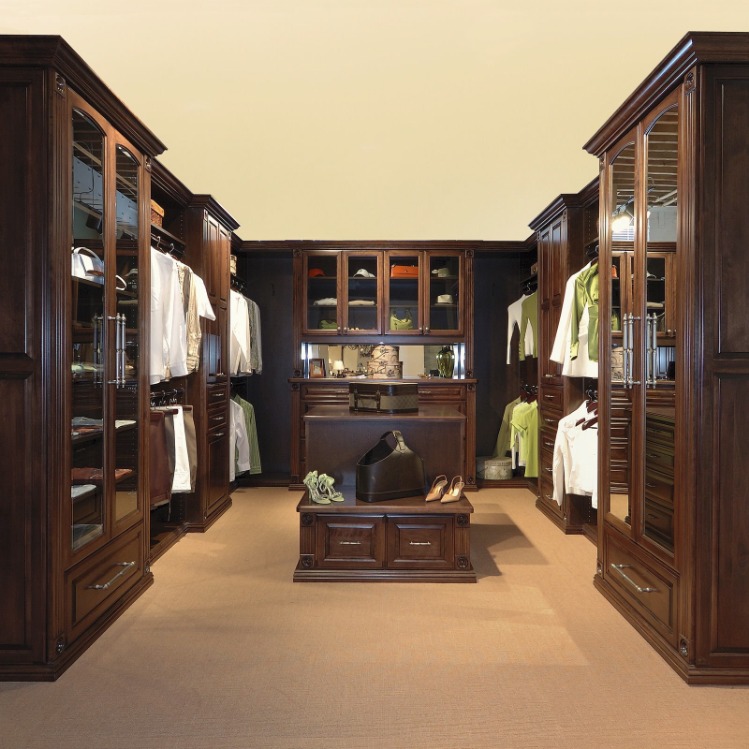
Flush hinges and concealed hinge styles appeal to home decoration projects that want the door face to look uninterrupted. The hinge page includes flush butterfly ball-bearing hinges, hidden door hinges, and lift-off rising self-closing concealed flag hinges. For wooden doors, the appeal is straightforward: less visible hardware can let the door’s surface, color, and frame detail carry the design. This is particularly relevant when the door is part of a paneled wall, a built-in wardrobe, or a room where the door is meant to recede rather than announce itself.
Flush does not mean one-size-fits-all. The same page lists stainless steel flag hinges and butterfly hinges in different configurations, and it states that custom size, thickness, surface color, and packaging are available. Material choice also matters by location. The FAQ recommends SS316 stainless steel door hinges for coastal humid or salt-fog areas, which is a sensible note for homes in those conditions. For inland rooms, stainless steel and other listed materials may still be chosen for finish and maintenance preferences. The practical question is not “which hinge looks smallest?” but “which flush or concealed option suits the door’s weight, swing, and visual goal?”—and that is a conversation best had with the door supplier or hinge manufacturer before the doors are ordered.
Self-Closing Hardware, Certification, and Finish Coordination
Self-closing hinges are the category to examine when the door must return to a closed position as a matter of routine. The hinge page specifically lists lift-off rising self-closing concealed flag hinges, and it states that UL-listed fire-rated spring hinges are offered for fire-exit self-closing. In a residential project, self-closing behavior can support safety and traffic flow, but it should be selected door by door. For ordinary interior doors, the goal is predictable motion rather than heavy-duty closure. A self-closing hinge on a frequently used interior door may be helpful; the same hinge on a door that needs to remain open for airflow may be an annoyance. The page also says all hinges pass 2,500,000 cycle durability testing, with ANSI, UL fire, and EN1935 certifications, and its FAQ says ANSI Grade 1 stainless steel hinges complete 2.5 million opening-closing cycle tests. These are the manufacturer’s published statements, not a substitute for checking the requirements of a specific door assembly.
Finish coordination is the final piece that homeowners notice after the hardware is installed. The hinge page lists electroplating and PVD finishes including matte black, gold, and satin chrome, and the broader CHAOLANG range describes a finish-matching system so handle finishes can mirror hinges, lock bodies, and door stoppers. For a whole-home decoration project, that matters because mismatched metals can make even well-chosen doors feel unfinished. The hinge page also states mixed-batch wholesale for stainless steel, spring, hidden, and brass hinges in one shipment, along with sample, catalog, and quotation support. A contractor specifying a whole-home package can use those options to keep one visual language across rooms while still choosing spring, flush, or self-closing behavior where each door needs it.
The most reliable method is therefore sequential: assign each wooden door a daily job, decide whether it should close itself or stay put, then choose spring, flush, concealed, or self-closing hardware to match. Check the finish and material against the room’s moisture and design conditions, and confirm that any fire-rated door uses hardware suited to that assembly. When the hinge schedule is built this way, the hardware becomes part of how the home works—not an afterthought added at the end of the decoration project.