Protect Your Home with Smart Roof Repair and Durable Roof Replacement Solutions
Understanding When to Choose Roof Repair vs Roof Replacement
Deciding between roof repair and roof replacement is a critical choice that affects safety, energy efficiency, and long-term costs. Small problems like missing shingles, isolated leaks, or minor flashing damage are often best addressed with targeted repairs. Prompt attention to these issues can extend the life of a roof by several years, preserve attic insulation, and prevent mold growth. A qualified inspection should evaluate the scope, age, and underlying structure to determine if repairs will restore weather tightness and structural integrity.
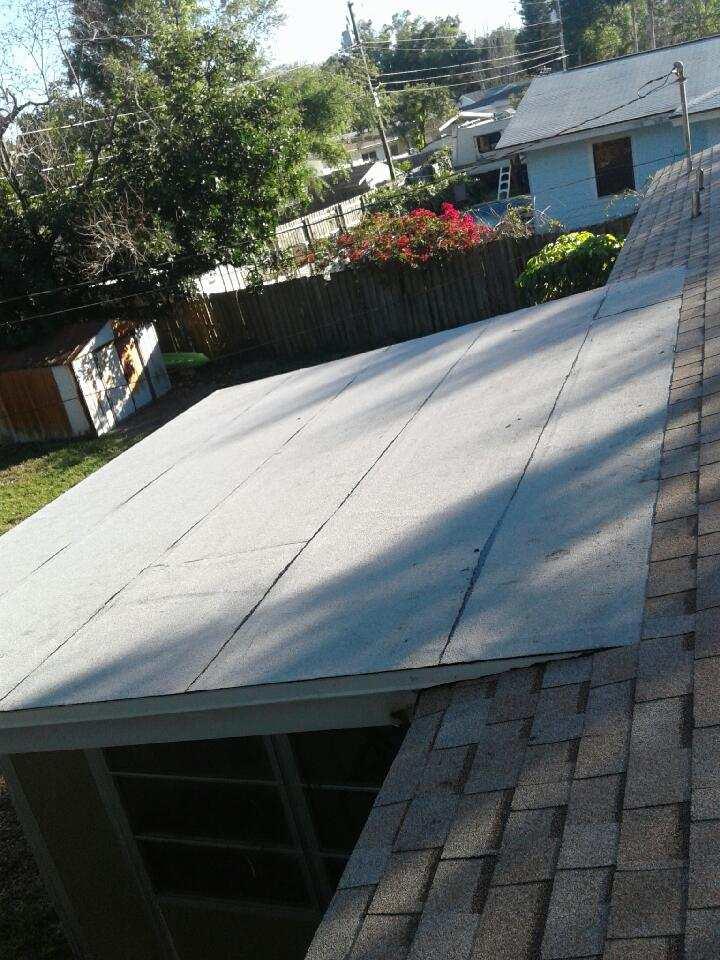
Replacement becomes necessary when widespread shingle failure, significant decking rot, repeated leaks, or an aged roofing system exceed the cost-effectiveness of piecemeal repairs. A full roof replacement provides an opportunity to upgrade materials, improve ventilation, and add modern underlayment and ice-and-water barriers that meet current building codes. For homeowners planning to stay in a property long-term, replacement often yields better value through increased curb appeal and reduced maintenance demands.
Consider energy performance and warranty implications when choosing. Repairs typically maintain the original warranty terms, while a new roof may come with manufacturer and contractor warranties that protect against future defects. Budget planning should factor in not only immediate labor and material costs but also long-term savings from improved insulation, reduced drafts, and fewer emergency fixes. Regular inspections, especially after severe weather, help prioritize interventions and avoid premature replacements.
Emergency Response, Roof Leak Repair, and New Roof Installation Best Practices
Rapid response is essential when water intrusion threatens living spaces. For roof leak repair, the first priority is stopping active water entry through temporary measures such as tarps or patching while scheduling a thorough diagnostic assessment. Identifying the leak source requires inspecting valleys, flashings, vents, and chimney flashings—water can travel along sheathing before appearing at an interior ceiling, so superficial fixes often miss the real problem. Timely mitigation limits interior damage and reduces the scope of restoration work.
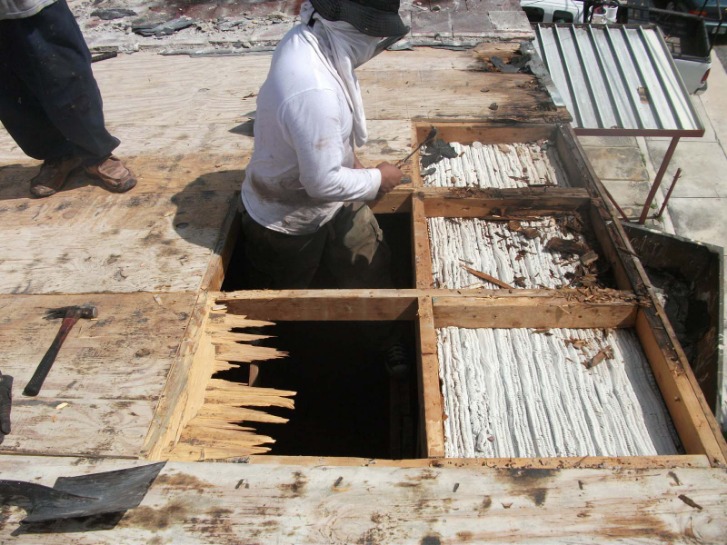
When an emergency exposes underlying structural or decking damage, immediate safety steps include stabilizing sagging sections and protecting belongings from water. Once stabilized, a full evaluation determines whether targeted repairs or full replacement is the correct remedy. For new roof installation, adherence to manufacturer specifications, correct nail patterns, proper underlayment, and adequate attic ventilation ensure longevity. Proper flashing around penetrations and roof-to-wall transitions prevents recurring leaks and is often the differentiator between a reliable roof and one that requires frequent callbacks.
Quality installations include drip edges, ice-and-water shields in vulnerable zones, and ridge ventilation to manage attic temperatures. Coordination between roofing crews, building inspectors, and homeowners during installation minimizes surprises and ensures compliance with local codes. Documentation of materials and warranties at project completion provides peace of mind and simplifies future maintenance planning.
Choosing the Right Roofing Company: Local Expertise, Case Studies, and What to Expect
Selecting a reputable roofing company relies on verified credentials, local experience, and clear communication. Licensed contractors with positive customer reviews and comprehensive insurance coverage reduce the risk of workmanship issues and liability claims. Locally based firms bring value through familiarity with regional weather patterns, municipal permitting processes, and common construction challenges in neighborhoods. A well-regarded local provider can often provide faster emergency response and more accurate cost estimates.
Real-world examples illustrate the difference professional care makes. In one suburban North Jersey neighborhood, a multi-family building sustained repeated leaks due to inadequate flashing and poor ventilation. After a comprehensive roof replacement that included upgraded underlayment and ridge vents, occupants reported fewer interior moisture problems and lower heating bills. Another case involved storm-damaged asphalt shingles; a targeted repair combined with spot replacement of compromised decking avoided a full replacement and extended service life by several years. These scenarios show how tailored solutions—repair or replacement—depend on thorough inspections and thoughtful material choices.
For homeowners seeking trusted local help, options for finding qualified teams include referrals from neighbors, verifiable online portfolios, and on-site estimates that include written scopes of work and timelines. For those in the region, searching for Roof Repair North Jersey yields providers that understand local codes, seasonal risks like ice dams, and effective flashing strategies. Expect transparent contracts, itemized pricing, and clear warranty documentation. Post-project walkthroughs and maintenance plans help protect the investment and extend the useful life of the roof.



Leave a Reply